Trusted Family Dental Care

Your Healthy Smile Starts Here

Modern dental care for the whole family. From routine cleanings to advanced treatments — we make every visit comfortable and stress-free.

Family Friendly
Modern Treatment
Comfortable Care
Modern dental care

Comfortable Dental Care

Care you can trust for every smile

Our Dental Services

Recent Services

Explore our professional dental treatments designed to support healthy teeth, beautiful smiles, and confident oral health.

👶🦷 Paediatric Dentistry

👶🦷 Paediatric Dentistry

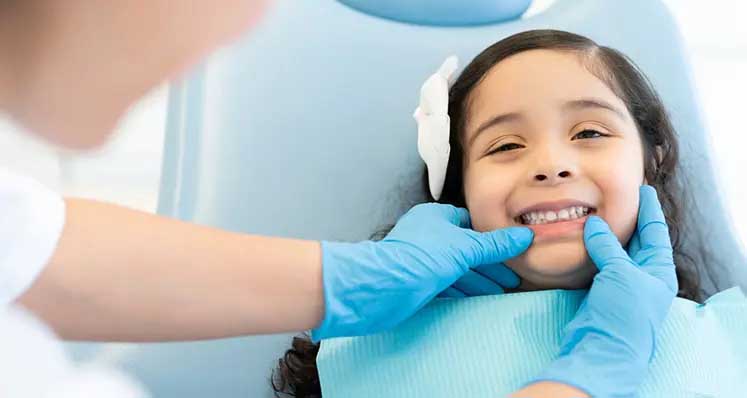
🌈 Gentle & Caring Dental Care for ChildrenChildren's teeth need special care as they grow and develop. Paediatric Dentistry focuses on protecting children's teeth, gums, and overall oral health from infancy through the teenage years.At Pink Dentistry, Chennai, we aim to make dental visits comfortable, friendly, and positive for children while helping parents understand how to maintain good oral hygiene at home. 🩷👶🦷🦷 What Is Paediatric Dentistry?Paediatric dentistry is the branch of dentistry focused on the oral health and dental needs of babies, children, and teenagers.Children's dental needs can change as they grow. Regular dental visits can help monitor:🦷 Tooth development😁 Tooth alignment🪥 Oral hygiene🦠 Tooth decay🩷 Gum health👄 Jaw development✨ Overall oral healthEarly dental care can help children develop healthy habits that continue into adulthood.👶 Dental Care for Different Age Groups🍼 Babies & ToddlersEarly dental care helps parents establish healthy oral hygiene routines.We can provide guidance about:🦷 First teeth🪥 Brushing techniques🍼 Feeding habits🍭 Limiting sugary foods and drinks👶 Oral hygiene routines🔎 Early dental check-ups👧 ChildrenAs children's permanent teeth begin to develop, regular dental examinations can help monitor their oral health.Care may include:🪥 Preventive dental care🦷 Cavity prevention✨ Dental cleaning🛡️ Fluoride treatment when appropriate🦷 Fissure sealants when indicated😁 Monitoring tooth development🧑 TeenagersTeenagers may require additional attention because of changes in oral hygiene, diet, tooth alignment, and orthodontic needs.Dental care may include:🦷 Cavity prevention🪥 Oral hygiene guidance😁 Orthodontic assessment✨ Professional cleaning🩷 Gum health monitoring🍬 Dietary guidance🌟 Paediatric Dental Services🦷 1. Children's Dental Check-UpRegular examinations help monitor your child's teeth, gums, bite, and dental development.🔍 Early assessment can help identify potential problems before they become more complicated.🪥 2. Professional Dental CleaningChildren can develop plaque and tartar just like adults.Professional cleaning can help remove deposits that regular brushing may not completely eliminate.✨ Cleaner teeth🩷 Healthier gums😁 Fresher smile🪥 Better oral hygiene🛡️ 3. Fluoride TreatmentFluoride can help strengthen tooth enamel and reduce the risk of tooth decay when used appropriately.Your dentist can determine whether professional fluoride treatment is suitable for your child.🦷 4. Dental SealantsDental sealants are protective coatings that may be applied to the grooves and pits of certain teeth.🛡️ They can help protect difficult-to-clean areas from plaque and food accumulation.Sealants may be particularly useful for selected permanent molars.🩹 5. Children's Cavity TreatmentTooth decay can occur in baby teeth as well as permanent teeth.Depending on the condition of the tooth, treatment may include:🦷 Dental fillings👑 Pediatric crowns🩹 Pulp treatment🔎 Preventive careTreating decay early can help prevent the problem from progressing.🦷 6. Pulp Treatment for ChildrenIf decay or injury affects the pulp inside a primary tooth, a dentist may recommend pulp treatment.The aim is to manage infection or inflammation and preserve the tooth when appropriate.😁 7. Early Orthodontic AssessmentSome children may benefit from an early evaluation of tooth and jaw development.An assessment can help identify:🦷 Crowding↔️ Spacing⬆️ Overbite⬇️ Underbite🔄 Crossbite🧩 Jaw development concernsYour dentist can advise whether orthodontic evaluation is appropriate.🍭 Preventing Tooth Decay in ChildrenTooth decay is one of the common dental problems affecting children.Parents can help protect their child's teeth by encouraging:🪥 Twice-Daily BrushingHelp young children brush properly until they can manage independently.🧵 Cleaning Between TeethAs appropriate for the child's age and tooth arrangement.🍬 Limit Frequent Sugary SnacksFrequent exposure to sugary foods and drinks can increase the risk of tooth decay.💧 Encourage WaterWater can be a healthy everyday drink choice.🦷 Regular Dental VisitsRoutine check-ups allow dental professionals to monitor oral health.🪥 Teaching Children to BrushMake brushing fun and consistent! 🌈😁👶 For Young ChildrenParents may need to brush their child's teeth or supervise closely.👧 For Older ChildrenEncourage children to brush independently while checking that all areas are cleaned properly.⏰ Make It a RoutineTry brushing:🌅 In the morning🌙 Before bedtimeA consistent routine helps children develop good lifelong oral hygiene habits.😟 What If Your Child Is Afraid of the Dentist?Dental anxiety is common among some children.At Pink Dentistry, we aim to create a friendly and welcoming environment.🌈 Child-friendly communication😊 Gentle approach🧸 Comfortable environment🩷 Positive dental experience👨‍👩‍👧 Parent guidanceParents can also help by avoiding frightening dental stories and using simple, positive language when talking about dental visits.🚨 When Should Parents Visit a Dentist?Schedule a dental evaluation if your child experiences:🦷 Toothache🔴 Swollen gums🩸 Bleeding gums🦠 Visible cavities🟤 Dark spots on teeth😣 Pain while eating🧊 Sensitivity💥 Dental injury or trauma🦷 Difficulty chewing👄 Swelling around the face or jawA dental injury should be evaluated promptly, particularly if a tooth is displaced, broken, or knocked out.🏃 Dental Emergency in ChildrenAccidents can happen during play, sports, or everyday activities.If your child experiences a dental injury:🚨 Stay calm🦷 Check for visible damage💧 Gently rinse the mouth if appropriate🩸 Apply gentle pressure if there is bleeding📞 Contact a dental professional promptlyFor a knocked-out permanent tooth, urgent dental assessment is important.🌟 Benefits of Early Dental CareStarting dental care early can help children:🦷 Maintain healthier teeth🪥 Develop good brushing habits😁 Become comfortable with dental visits🛡️ Reduce the risk of preventable dental problems🔍 Detect dental issues early✨ Maintain healthy smiles as they grow🩷 Why Choose Pink Dentistry, Chennai?At Pink Dentistry, we understand that children require a gentle and patient approach to dental care.👶 Child-Friendly Dental Care🦷 Preventive Dentistry🔍 Regular Dental Monitoring🪥 Oral Hygiene Guidance🩷 Comfort-Focused Approach🌈 Friendly Dental Environment👨‍👩‍👧 Parent Education & GuidanceOur goal is to help children develop positive dental habits and maintain healthy smiles as they grow.❓ Frequently Asked Questions👶 When should my child's first dental visit be?The American Academy of Pediatric Dentistry recommends that a child have their first dental visit by their first birthday or within six months after the first tooth appears. Your dentist can provide age-appropriate guidance based on your child's needs.🦷 Do baby teeth really need treatment?Yes. Baby teeth play important roles in chewing, speech, appearance, and maintaining space for developing permanent teeth. Dental problems in baby teeth should be evaluated and treated when necessary.🍭 Can children get cavities easily?Yes. Frequent exposure to sugary foods and drinks, inadequate brushing, and other factors can increase the risk of tooth decay.🪥 How often should children brush?Children should generally brush twice a day using an age-appropriate amount of fluoride toothpaste, with parental supervision or assistance as needed.🛡️ Are dental sealants safe for children?Dental sealants are commonly used as a preventive measure for selected teeth. Your dentist can determine whether sealants are appropriate for your child's teeth.😁 Should children visit the dentist even when there is no pain?Yes. Regular dental check-ups can help detect problems early and provide preventive care before symptoms develop.📞 Book Your Child's Dental AppointmentGive your child's smile a healthy start! 👶🦷🌈Visit Pink Dentistry, Chennai, for gentle, child-friendly dental care and professional guidance for your child's growing smile.
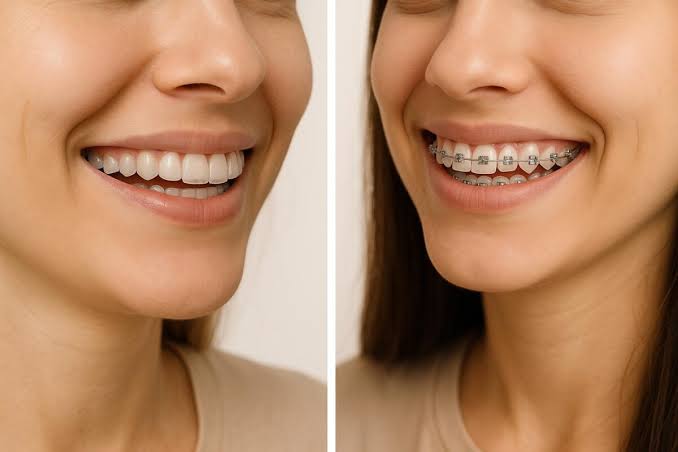
😁 Braces & Aligners

😁 Braces & Aligners

✨ Straighten Your Teeth. Improve Your Smile. Boost Your Confidence.Crooked, crowded, or misaligned teeth can affect your smile, bite, and oral hygiene. Braces and clear aligners are orthodontic treatment options designed to gradually move teeth into more appropriate positions.At Pink Dentistry, Chennai, our dental professionals evaluate your teeth and bite and recommend an orthodontic treatment approach based on your individual needs. 🩷🦷🦷 What Are Braces & Aligners?Braces use brackets, wires, and other orthodontic components to apply controlled forces that gradually move teeth.Clear aligners are removable, transparent trays designed to move teeth progressively according to a customized treatment plan.Both options can be used to address various types of tooth and bite alignment concerns.🪥 Dental BracesTraditional braces use small brackets attached to the teeth and an archwire that applies gentle, controlled pressure.🔹 Types of Braces🦷 Metal BracesA commonly used orthodontic option consisting of metal brackets and wires.✨ Ceramic BracesTooth-colored or less noticeable brackets designed for a more discreet appearance.🔧 Self-Ligating BracesA type of fixed brace that uses specialized brackets to hold the archwire.Your dentist or orthodontic professional can explain which type is suitable for your teeth and treatment requirements.✨ Clear AlignersClear aligners are transparent, removable trays that are custom-made or digitally planned to gradually move your teeth.They are designed to be:👀 Discreet – Clear and less noticeable than traditional braces🍽️ Removable – Can generally be removed for eating and drinking🪥 Easy to Clean – Teeth can be brushed and flossed without fixed brackets😁 Comfort-Focused – Smooth trays are designed for everyday wearThe suitability of clear aligners depends on your specific tooth and bite alignment needs.🔍 How Does Orthodontic Treatment Work?📋 1. Initial ConsultationYour dentist evaluates your teeth, gums, bite, and overall oral health.📸 2. Dental Records & AssessmentDepending on your case, photographs, dental X-rays, scans, impressions, or other records may be taken.🧠 3. Treatment PlanningA customized treatment plan is prepared according to your dental condition and treatment objectives.🦷 4. Braces or AlignersBraces are fixed to the teeth, while aligners are provided as a series of removable trays.🔄 5. Regular Follow-UpsRegular appointments help your dental professional monitor tooth movement and make necessary adjustments.😁 6. RetentionAfter active orthodontic treatment, a retainer may be recommended to help maintain the corrected tooth positions.🌟 Benefits of Braces & Aligners😁 Improved Smile AlignmentHelps correct certain types of crooked or crowded teeth.🦷 Better Bite AlignmentOrthodontic treatment can address certain bite problems.🪥 Easier Oral HygieneStraighter teeth may be easier to clean effectively.✨ Improved Smile AppearanceTreatment can improve the alignment and overall appearance of your smile.🩷 Customized TreatmentYour treatment plan is developed according to your individual dental needs.🔄 Braces vs Clear AlignersFeature🦷 Braces✨ Clear AlignersVisibilityMore noticeableGenerally less noticeableRemovable❌ No✅ YesEatingCertain foods may need to be avoidedCan usually be removed while eatingCleaningRequires careful cleaning around bracketsEasier access to teeth while trays are removedTreatment suitabilitySuitable for many orthodontic casesSuitable for selected casesFollow-upsRequired regularlyRequired regularlyRetentionUsually required after treatmentUsually required after treatmentYour dentist or orthodontic professional can recommend the most appropriate option after examining your teeth and bite.👦👧 Braces for Children & TeenagersOrthodontic treatment is commonly considered during childhood or adolescence when permanent teeth have developed sufficiently.Early dental evaluation can help identify:🦷 Crowding↔️ Spacing⬆️ Overbite⬇️ Underbite🔄 Crossbite😁 Tooth alignment concernsThe ideal treatment timing varies from patient to patient.👨‍🦰👩 Adult Braces & AlignersOrthodontic treatment isn't limited to children and teenagers.Adults may also seek treatment for:✨ Crooked teeth🦷 Crowding↔️ Gaps between teeth😁 Smile alignment🗣️ Certain bite concerns🪥 Difficulty cleaning misaligned teethClear aligners can be an attractive option for adults looking for a more discreet orthodontic treatment, when clinically suitable.⚠️ What Should You Avoid During Braces Treatment?If you have fixed braces, your dentist may recommend avoiding or limiting certain foods that can damage brackets or wires.🚫 Very hard foods🚫 Sticky foods🚫 Excessively chewy foods🚫 Biting directly into hard objectsFollow the specific dietary instructions provided by your dental professional.🪥 Oral Hygiene During Orthodontic TreatmentMaintaining good oral hygiene is particularly important while wearing braces.✅ Brush carefully around brackets🧵 Clean between teeth regularly💧 Use recommended interdental cleaning aids🦷 Attend scheduled dental appointments✨ Follow your orthodontic care instructionsWith clear aligners, remove the trays as instructed and clean both your teeth and aligners appropriately.⏳ How Long Does Orthodontic Treatment Take?Treatment duration varies significantly depending on:🦷 Degree of tooth movement required😁 Type of bite problem👦 Patient's age and dental development🧩 Complexity of the case⏰ Patient compliance🔄 Response to treatmentYour dental professional can provide an estimated treatment timeline after a detailed assessment.😌 Is Braces Treatment Painful?You may experience temporary pressure, tightness, or mild discomfort after braces are placed or adjusted.Clear aligners may also cause temporary pressure as your teeth move.Any discomfort is usually manageable, but contact your dental professional if you experience severe or persistent pain.🩷 Why Choose Pink Dentistry, Chennai?At Pink Dentistry, we provide personalized orthodontic care with a focus on comfort, aesthetics, and long-term oral health.🔍 Detailed Dental Assessment📋 Personalized Treatment Planning🦷 Braces & Aligner Options✨ Modern Dental Techniques👩‍⚕️ Professional Dental Care🩷 Patient-Friendly Environment😁 Smile-Focused Treatment❓ Frequently Asked Questions🦷 Which is better: braces or clear aligners?Neither option is universally better. The appropriate choice depends on your teeth, bite, treatment complexity, lifestyle, and clinical requirements. Your dental professional can explain the suitable options for your case.✨ Are clear aligners completely invisible?Clear aligners are transparent and generally less noticeable than traditional braces, but they may still be visible at close range.🍽️ Can I eat while wearing clear aligners?Aligners are generally removed while eating and drinking anything other than water. Follow your dental professional's specific instructions.🪥 Can I brush my teeth normally with braces?Yes. However, brushing requires extra care around brackets and wires. Your dental team can demonstrate suitable brushing and interdental cleaning techniques.⏳ How long do I need to wear braces?Treatment duration varies depending on the complexity of your case and how your teeth respond to treatment. Your dentist can provide an individualized estimate.😁 Will I need retainers after braces or aligners?Retainers are commonly recommended after active orthodontic treatment to help maintain the corrected tooth positions.📞 Start Your Smile TransformationThinking about straightening your teeth? 😁✨Visit Pink Dentistry, Chennai, for an orthodontic consultation and learn whether braces or clear aligners may be suitable for your smile.

🦷 Dental Implants

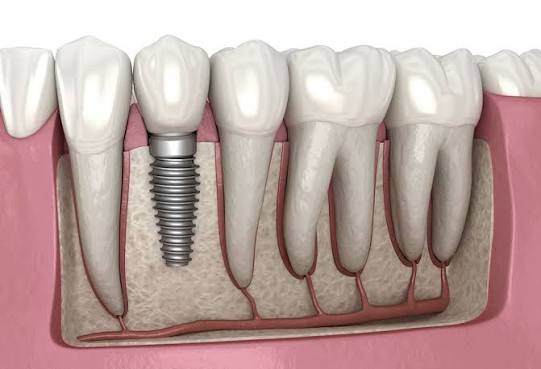
🦷 Dental Implants

✨ Restore Missing Teeth with Strong, Natural-Looking Dental ImplantsMissing teeth can affect your smile, chewing ability, speech, and confidence. Dental implants are a modern tooth-replacement option designed to replace missing teeth and provide a stable foundation for a dental crown, bridge, or other restoration.At Pink Dentistry, Chennai, our dental professionals evaluate your oral health and discuss suitable tooth-replacement options based on your individual needs. 🩷🦷🦷 What Are Dental Implants?A dental implant is a small post, commonly made from titanium or another suitable material, that is placed into the jawbone to replace the root portion of a missing tooth.After the implant integrates with the surrounding bone, it can support a dental restoration such as:👑 Dental Crown – for replacing a single missing tooth🌉 Implant-Supported Bridge – for replacing multiple missing teeth😁 Implant-Supported Dentures – for selected patients with multiple missing teethDental implants can provide a stable foundation while helping restore the appearance and function of your smile.🔍 How Does Dental Implant Treatment Work?Dental implant treatment generally involves several stages.🔎 1. Initial Dental EvaluationYour dentist examines your teeth, gums, and jawbone. Dental X-rays or other imaging may be recommended to evaluate bone and determine the appropriate treatment plan.📋 2. Personalized Treatment PlanningYour dentist discusses your treatment options and determines the appropriate implant position and restoration based on your oral health.🦷 3. Implant PlacementThe implant is carefully placed into the jawbone under appropriate anaesthesia.⏳ 4. Healing & Bone IntegrationThe implant needs time to heal and integrate with the surrounding jawbone. This process is known as osseointegration.👑 5. Abutment & Dental RestorationOnce the implant has adequately healed, an abutment and suitable dental restoration may be placed.😁 6. Final Smile RestorationThe final crown, bridge, or denture is designed to restore the appearance and function of the missing tooth or teeth.🌟 Benefits of Dental Implants😁 Natural-Looking SmileImplant-supported restorations can be designed to blend with your surrounding teeth.🦷 Restores Chewing FunctionA properly planned implant restoration can help restore normal biting and chewing.💪 Stable Tooth ReplacementImplants can provide a secure foundation for dental restorations.🦴 Supports Jawbone PreservationImplants can help reduce the bone loss that commonly occurs after tooth loss by providing stimulation to the jawbone.🗣️ Can Support SpeechA stable tooth replacement may help avoid some speech difficulties associated with poorly fitting removable dentures.✨ Long-Term Tooth Replacement OptionWith appropriate care and regular dental follow-up, dental implants can provide a durable tooth-replacement solution.👤 Who May Be a Candidate for Dental Implants?Dental implants may be considered for people who have:🦷 One or more missing teeth😁 Multiple missing teeth👴 Extensive tooth loss🌉 Teeth that require replacement with an implant-supported bridge🦷 Dentures that require additional supportSuitability depends on factors such as:✅ Overall oral health✅ Gum health✅ Available jawbone✅ General health and healing capacity✅ Oral hygiene✅ Lifestyle factorsA detailed dental evaluation is necessary before implant treatment.🦴 What If There Is Not Enough Bone?Some patients may have insufficient jawbone volume for immediate implant placement.Depending on the individual case, your dentist may discuss procedures such as:🦴 Bone GraftingA procedure used to add or rebuild bone where necessary.🦷 Sinus LiftIn selected upper-jaw cases, a sinus lift may be considered to create adequate space and bone support for an implant.Your dentist will determine whether additional procedures are necessary based on clinical examination and imaging.😌 Is Dental Implant Treatment Painful?Dental implant placement is generally performed using local anaesthesia, which numbs the treatment area.Some discomfort, swelling, or soreness can occur after the procedure. Your dental team will provide appropriate aftercare instructions and advise you about managing discomfort during recovery.⏳ How Long Does Dental Implant Treatment Take?Treatment time varies from patient to patient.The overall timeline may depend on:🦷 Number of implants🦴 Jawbone condition💉 Need for bone grafting⏳ Healing time👑 Type of final restoration🩷 Individual healing responseSome cases can be completed relatively quickly, while others require several months because adequate healing is needed before the final restoration.🪥 How to Care for Dental ImplantsGood oral hygiene is essential for maintaining your implant and surrounding tissues.Daily Care🪥 Brush your teeth twice daily🧵 Clean between your teeth and around the implant💧 Follow your dentist's recommended cleaning routine🦷 Attend regular dental check-ups✨ Follow professional maintenance instructionsYour dentist may recommend specific brushes, floss, interdental cleaners, or other products depending on your implant restoration.⚠️ Why Should Missing Teeth Be Addressed?Missing teeth can affect more than appearance.Tooth loss may contribute to:🦷 Difficulty chewing🗣️ Changes in speech😁 Changes in smile appearance🦴 Loss of supporting jawbone🦷 Movement of neighboring teeth🍽️ Changes in eating habitsA dental consultation can help determine which tooth-replacement option is appropriate for you.🩷 Dental Implants at Pink Dentistry, ChennaiAt Pink Dentistry, we focus on providing carefully planned, patient-centered dental implant treatment.🔍 Detailed Dental Evaluation🦷 Personalized Treatment Planning📸 Appropriate Dental Imaging👩‍⚕️ Professional Dental Care🩷 Comfort-Focused Treatment👑 Customized Tooth Restoration📋 Post-Treatment GuidanceOur aim is to help patients restore their smile and oral function with an appropriate tooth-replacement solution.❓ Frequently Asked Questions🦷 Are dental implants permanent?Dental implants are designed as a long-term tooth-replacement option. Their longevity depends on factors such as oral hygiene, gum health, implant condition, lifestyle, and regular professional maintenance.👑 Do dental implants look like natural teeth?Implant-supported crowns and other restorations can be customized to match the surrounding teeth in shape, size, and appearance.🦴 Can I get an implant if I have bone loss?Some patients with bone loss may still be candidates for implants after appropriate evaluation. Bone-grafting or other procedures may be recommended in selected cases.🦷 Can I replace several missing teeth with implants?Yes. Depending on your situation, multiple missing teeth may be replaced using individual implants, implant-supported bridges, or implant-supported dentures.😁 How long does it take to recover?Healing time varies depending on the procedure, number of implants, bone condition, and individual healing response. Your dentist will provide a personalized recovery plan.🪥 Can I brush dental implants normally?Yes, maintaining good oral hygiene around implants is important. Your dentist will demonstrate the appropriate cleaning technique for your specific restoration.📞 Book Your Dental Implant ConsultationHave you lost one or more teeth? 🦷Visit Pink Dentistry, Chennai, for a professional dental implant consultation and learn about tooth-replacement options suitable for your smile and oral health.

✨ Teeth Whitening

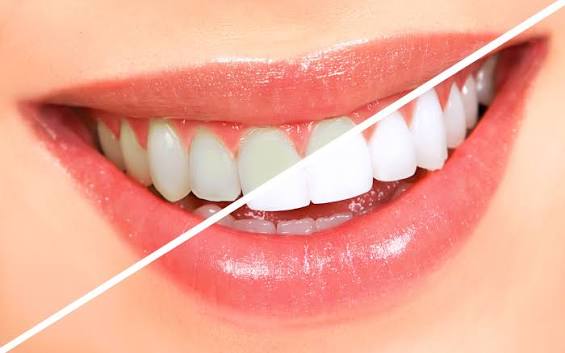
✨ Teeth Whitening

😁 Brighten Your Smile with Professional Teeth WhiteningA bright, confident smile can make a great first impression. Professional teeth whitening is a cosmetic dental treatment designed to reduce certain types of tooth discoloration and improve the appearance of your smile.At Pink Dentistry, Chennai, our dental professionals assess your teeth and recommend a suitable whitening approach based on your individual needs. 🩷🦷🦷 What Is Teeth Whitening?Teeth whitening is a cosmetic dental procedure that helps lighten the color of natural teeth and reduce certain stains or discoloration.Teeth can become darker or stained due to:☕ Coffee and tea🍷 Certain beverages🚬 Tobacco use🍛 Certain foods🦷 Natural aging💊 Some medications✨ Certain types of tooth discolorationThe results and suitability of whitening vary from person to person.🔍 How Does Professional Teeth Whitening Work?Professional whitening uses a dentist-selected whitening agent to lighten the color of the natural tooth surface.The treatment generally involves:🔎 1. Dental ExaminationYour dentist examines your teeth and gums to determine whether whitening is appropriate.🧹 2. Professional CleaningIf necessary, plaque, tartar, and surface stains may be cleaned before whitening.🛡️ 3. Gum ProtectionThe gums and surrounding tissues are protected during the procedure.✨ 4. Whitening TreatmentA professional whitening agent is carefully applied to the teeth according to the recommended treatment protocol.😁 5. Smile AssessmentYour dentist evaluates the result and provides guidance on maintaining your brighter smile.🌟 Benefits of Professional Teeth Whitening✨ Brighter-Looking SmileHelps improve the appearance of certain types of tooth discoloration.😁 Enhances Your SmileA brighter smile can help you feel more confident.🦷 Professional AssessmentYour teeth are evaluated before treatment to determine whether whitening is suitable.⏱️ Convenient TreatmentProfessional whitening can provide noticeable improvement without changing the natural structure of the teeth.🩷 Customized Dental CareTreatment can be planned according to your teeth, gums, and cosmetic goals.🟡 What Causes Tooth Staining?Tooth discoloration can be caused by several factors.☕ Extrinsic StainsThese occur mainly on the outer surface of teeth and can be associated with:☕ Coffee🍵 Tea🍛 Certain foods🚬 Tobacco🥤 Dark-colored beverages🦷 Intrinsic DiscolorationDiscoloration can also occur within the tooth itself due to factors such as:👴 Aging💊 Certain medications💥 Dental trauma🦷 Changes during tooth development🩸 Certain dental conditionsNot every type of discoloration responds equally to whitening. Your dentist can advise you about suitable options.🩷 Who Can Consider Teeth Whitening?Professional teeth whitening may be considered by adults who want to improve the appearance of naturally discolored teeth.It may be suitable for people looking to:😁 Brighten their smile✨ Reduce certain stains📸 Improve their smile for special occasions🦷 Refresh the appearance of their teethA dental examination is recommended before cosmetic whitening treatment.⚠️ Is Teeth Whitening Safe?When performed or supervised appropriately by a dental professional, teeth whitening can be a safe cosmetic treatment for suitable patients.Some people may experience temporary:🧊 Tooth sensitivity🩷 Gum irritation⚡ Mild dental discomfortYour dentist can recommend ways to minimize these effects and determine whether whitening is appropriate for you.🪥 How Can You Maintain a Whiter Smile?After whitening, good oral hygiene and healthy habits can help maintain the appearance of your teeth.✅ Brush twice a day🧵 Floss regularly☕ Limit frequent consumption of staining beverages🚭 Avoid tobacco products🦷 Attend regular dental check-ups💧 Drink water regularly✨ Follow your dentist's post-treatment instructions❓ Frequently Asked Questions✨ Does teeth whitening permanently whiten teeth?No cosmetic whitening treatment permanently prevents future staining. Teeth can gradually become discolored again due to diet, lifestyle, aging, and other factors.🦷 Does teeth whitening damage teeth?When appropriately selected and used according to professional guidance, whitening is generally considered a safe cosmetic procedure for suitable patients. Temporary sensitivity can occur.😁 How white will my teeth become?Results vary depending on the original shade, type of discoloration, and individual response to treatment. Your dentist can discuss realistic expectations before treatment.🦷 Can crowns and fillings be whitened?Whitening products primarily affect natural tooth structure. Existing crowns, fillings, veneers, and other restorations generally do not change color in the same way as natural teeth.🧊 Will my teeth become sensitive?Some patients experience temporary sensitivity following whitening. Your dentist can provide guidance to help manage sensitivity if it occurs.☕ Can I drink coffee after whitening?Your dentist may recommend temporarily limiting foods and drinks that can stain teeth following treatment. Follow the specific aftercare instructions provided by your dental professional.🩷 Why Choose Pink Dentistry, Chennai?At Pink Dentistry, we combine professional dental care with a comfortable, patient-focused approach.✨ Professional dental evaluation🦷 Modern dental techniques🔍 Individual treatment planning🩷 Comfortable dental environment😁 Focus on natural-looking results📋 Personalized aftercare guidance📞 Book Your Teeth Whitening ConsultationReady to refresh your smile? ✨😁Visit Pink Dentistry, Chennai, for a professional teeth whitening consultation and discover the options suitable for your smile.

🦷 Root Canal Treatment

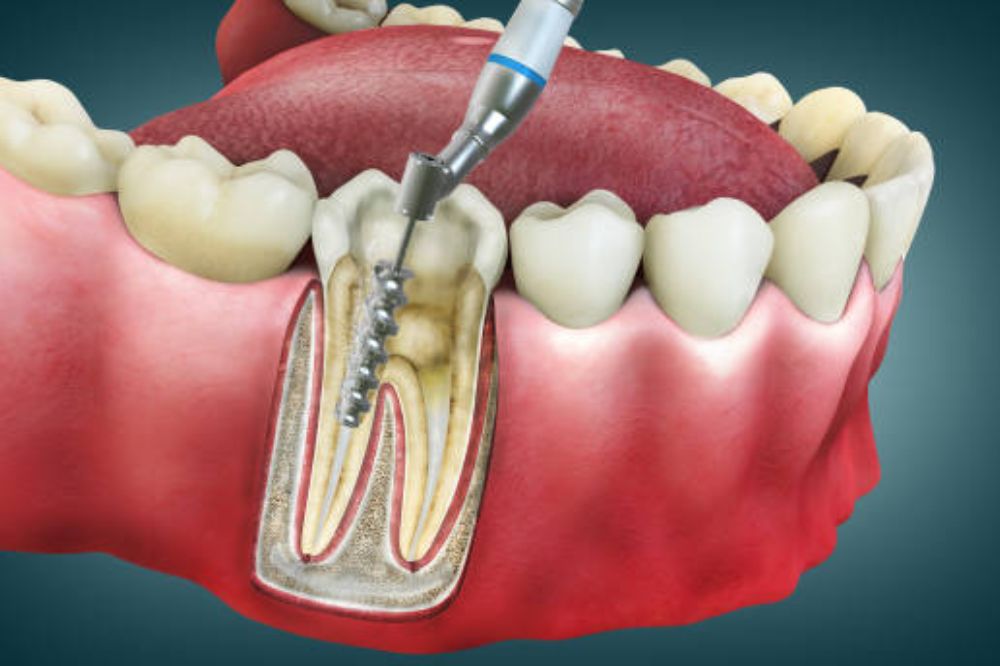
🦷 Root Canal Treatment

❤️ Save Your Natural Tooth with Gentle Root Canal TreatmentA Root Canal Treatment (RCT) is a dental procedure used to treat infection or inflammation inside a tooth. It can help relieve tooth pain, protect the natural tooth, and restore normal function.At Pink Dentistry, Chennai, our dental professionals provide careful and patient-focused root canal treatment designed to make your dental experience as comfortable as possible. 🩷🦷🔍 What Is Root Canal Treatment?Inside every tooth is a soft tissue called the dental pulp, which contains nerves and blood vessels. When the pulp becomes infected or severely inflamed because of deep decay, cracks, trauma, or other causes, treatment may be necessary.During a root canal procedure, the infected or damaged pulp is removed, the inside of the tooth is cleaned and disinfected, and the root canals are sealed.🦷 The goal is to preserve your natural tooth whenever possible.🚨 When Might You Need a Root Canal?Your dentist may recommend root canal treatment when the tooth's pulp is infected or significantly damaged.Common signs may include:😣 Severe toothache🔥 Sensitivity to hot or cold🦷 Pain while chewing or biting🩷 Swelling around the tooth or gums🔴 Tender or swollen gums🟤 Deep tooth decay⚡ Persistent dental pain🦷 A cracked or injured tooth🌑 Darkening or discoloration of a toothSometimes, an infected tooth may not cause noticeable symptoms. A dental examination and appropriate X-rays can help identify problems that may require treatment.🛠️ How Is Root Canal Treatment Done?🔎 1. Dental ExaminationYour dentist examines the affected tooth and may take an X-ray to determine the extent and location of the problem.💉 2. Local AnaesthesiaLocal anaesthesia is administered to numb the area and help make the procedure comfortable.🦷 3. Accessing the ToothA small opening is made in the tooth to reach the infected or inflamed pulp.🧹 4. Removing the Infected PulpThe damaged pulp tissue is carefully removed from the tooth and root canals.💧 5. Cleaning & DisinfectionThe root canals are thoroughly cleaned and disinfected to help eliminate bacteria and debris.🔒 6. Sealing the Root CanalsThe cleaned canals are filled and sealed to help prevent further infection.👑 7. Tooth RestorationDepending on the tooth and its condition, a filling or dental crown may be recommended to restore strength, appearance, and function.🌟 Benefits of Root Canal Treatment❤️ Helps Save the Natural ToothRoot canal treatment can allow a damaged or infected tooth to remain in place.😌 Helps Relieve Dental PainTreating the underlying infection or inflammation can help resolve pain.🦷 Restores Tooth FunctionAfter appropriate restoration, the treated tooth can be used for normal chewing.🛡️ Helps Prevent Spread of InfectionTreating an infected tooth can help prevent the infection from affecting surrounding tissues.😁 Maintains Your Natural SmilePreserving the natural tooth can help maintain your smile and bite.🦷 Why Saving Your Natural Tooth MattersWhenever possible, preserving a natural tooth can have important benefits.✅ Maintains the natural tooth structure✅ Helps maintain normal chewing function✅ Helps preserve the surrounding teeth✅ Avoids extraction when the tooth can be successfully treated✅ Can be followed by a suitable restoration such as a crownYour dentist will assess the tooth and explain whether root canal treatment is appropriate.⚠️ What Happens If an Infected Tooth Is Not Treated?An untreated dental infection can potentially worsen over time.It may lead to:🔴 Increasing pain🩷 Gum swelling🦷 Dental abscess💧 Infection around the tooth⚠️ Damage to surrounding tissues🦷 Possible tooth lossIf you have persistent tooth pain, swelling, or sensitivity, a dental examination is recommended.👑 Why Is a Crown Sometimes Needed After RCT?Root canal treatment removes infected pulp and cleans the inside of the tooth. Some treated teeth, particularly back teeth, may require additional protection because they can be more vulnerable to fracture.A dental crown may be recommended to help protect and restore the tooth depending on its condition.Your dentist will determine the appropriate restoration based on the amount of remaining tooth structure and the tooth's location.😌 Is Root Canal Treatment Painful?Modern dental techniques and local anaesthesia help make root canal treatment comfortable for most patients.You may experience some tenderness or sensitivity after the procedure, particularly when biting, but this generally improves as the treated area heals.If you experience significant or persistent pain after treatment, contact your dentist for an evaluation.👨‍👩‍👧‍👦 Who May Need Root Canal Treatment?Root canal treatment may be recommended for patients with:🦷 Deep tooth decay🩸 Pulp infection💥 Dental trauma🪨 Cracked or damaged teeth🔴 Dental abscess⚡ Persistent tooth pain🔥 Prolonged hot/cold sensitivityA dentist should examine the tooth before determining whether RCT is required.🩷 Why Choose Pink Dentistry, Chennai?At Pink Dentistry, we aim to provide comfortable, professional, and patient-focused dental care.✨ Experienced dental professionals🦷 Modern dental equipment💉 Comfortable treatment approach🔍 Thorough diagnosis🩷 Patient-friendly environment📋 Personalized treatment planning😁 Focus on preserving natural teeth❓ Frequently Asked Questions🦷 How long does a root canal take?Treatment time varies depending on the tooth, the complexity of the root canals, and the presence of infection. Some cases can be completed in one appointment, while others may require multiple visits.😣 Will I feel pain after a root canal?Some mild soreness or sensitivity can occur after treatment. Your dentist may provide appropriate advice or medication if needed.👑 Do I need a crown after root canal treatment?Not every tooth necessarily requires a crown. However, a crown may be recommended for teeth that need additional protection, especially when substantial tooth structure has been lost.🦷 Can a root canal save my tooth?In many cases, root canal treatment can help preserve a tooth that would otherwise require extraction. Your dentist will evaluate the tooth and explain the available treatment options.⚡ Can I wait if my tooth pain goes away?Pain disappearing does not necessarily mean the underlying problem has resolved. An infected or damaged pulp may continue to cause problems even when symptoms temporarily improve. A dental examination is recommended.📞 Book Your Root Canal ConsultationDon't ignore persistent tooth pain or sensitivity. 🦷❤️Visit Pink Dentistry, Chennai, for a professional dental evaluation and personalized treatment plan.

🦷 Dental Cleaning

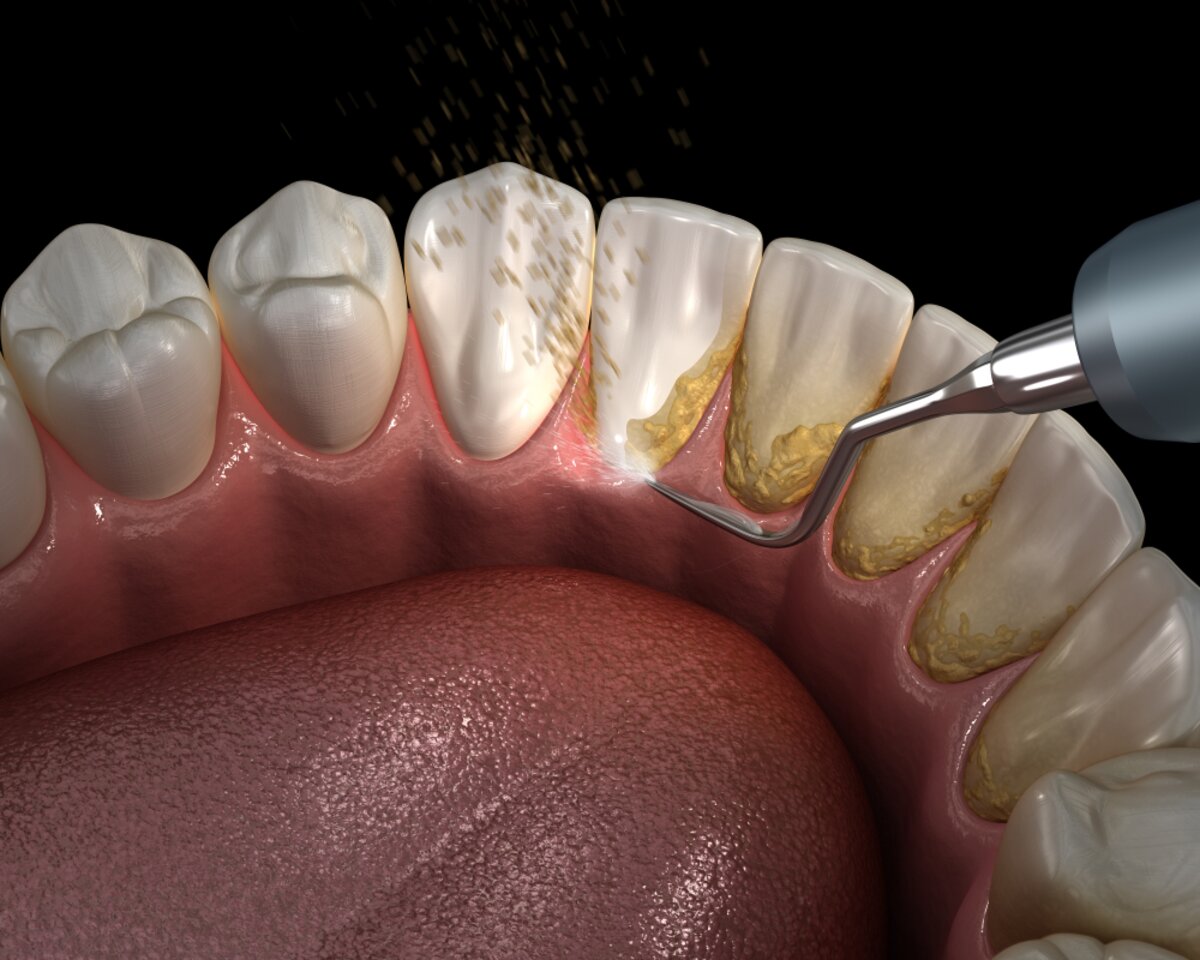
🦷 Dental Cleaning

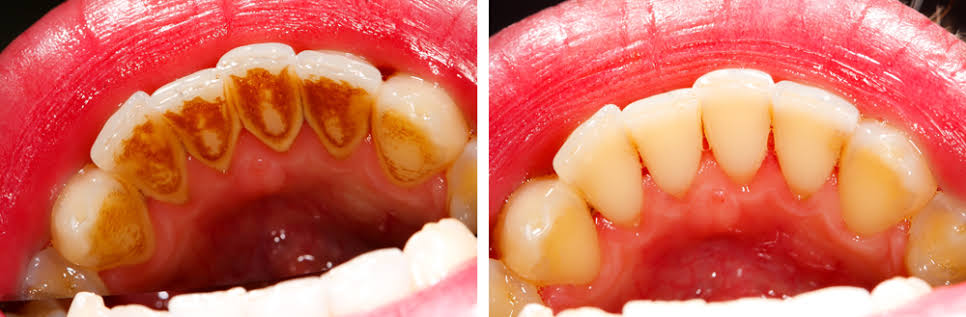
✨ Professional Dental Cleaning for a Healthier, Brighter SmileRegular dental cleaning is an essential part of maintaining healthy teeth and gums. Professional dental cleaning helps remove plaque, tartar, stains, and harmful bacteria that regular brushing and flossing may not completely eliminate.At Pink Dentistry, Chennai, our dental professionals provide gentle and thorough cleaning to help maintain your oral health, fresh breath, and confident smile. 🩷🦷🪥 What Is Dental Cleaning?Dental cleaning is a professional oral hygiene procedure performed by a dentist or dental hygienist. It involves carefully cleaning the teeth and gumline to remove accumulated plaque, tartar (calculus), and surface stains.Even with regular brushing and flossing, tartar can develop in areas that are difficult to clean at home. Professional cleaning helps keep these areas clean and supports healthy gums.🔍 What Happens During Dental Cleaning?Our dental cleaning procedure generally includes:🔎 1. Oral ExaminationYour dentist examines your teeth and gums to identify plaque buildup, tartar, gum inflammation, cavities, or other oral health concerns.🪥 2. Plaque & Tartar RemovalSpecial dental instruments are used to gently remove hardened tartar and plaque from the teeth and along the gumline.✨ 3. Teeth PolishingThe teeth are polished to help remove surface stains and leave your teeth feeling smooth and clean.💧 4. Rinsing & CleaningThe mouth is thoroughly cleaned to remove remaining debris and particles.🦷 5. Oral Hygiene GuidanceOur dental team provides personalized advice on brushing, flossing, and maintaining good oral hygiene at home.🌟 Benefits of Professional Dental Cleaning🦷 Removes Plaque & TartarHelps eliminate deposits that regular brushing cannot completely remove.🩷 Supports Healthy GumsRegular cleaning can help maintain healthy gums and reduce plaque-related gum problems.✨ Removes Surface StainsProfessional polishing can help reduce certain external stains caused by food and beverages.🌿 Helps Maintain Fresh BreathRemoving bacteria and plaque buildup can contribute to better breath.😁 Keeps Your Smile Looking CleanA professional cleaning can leave your teeth looking cleaner and brighter.🔍 Helps Detect Problems EarlyRoutine dental visits allow your dentist to identify potential dental problems at an early stage.⚠️ When Should You Consider Dental Cleaning?Professional dental cleaning may be recommended if you experience:🔴 Bleeding gums while brushing🟡 Visible tartar buildup😮‍💨 Persistent bad breath🦷 Stained or discolored teeth🩷 Swollen or tender gums🪥 Difficulty maintaining clean teeth😁 It has been a long time since your last dental check-upYour dentist can recommend a cleaning schedule based on your individual oral health needs.👨‍👩‍👧‍👦 Who Can Have Dental Cleaning?Dental cleaning can be beneficial for:👨 Adults👩 Women👴 Senior citizens👦 Children and teenagers🦷 Patients undergoing orthodontic treatmentThe cleaning approach may vary depending on age, oral health, gum condition, and individual dental requirements.💡 Why Regular Dental Cleaning MattersDaily brushing and flossing are important, but some areas of the mouth can still accumulate plaque and tartar.Regular professional dental cleaning, combined with good home oral care, can help you maintain:✅ Cleaner teeth✅ Healthier gums✅ Better oral hygiene✅ Fresher breath✅ A confident smile 😁🩷 Why Choose Pink Dentistry, Chennai?At Pink Dentistry, we focus on providing a comfortable and patient-friendly dental experience.✨ Professional dental care🦷 Modern dental equipment👩‍⚕️ Experienced dental professionals🩷 Patient-focused treatment🌿 Comfortable and hygienic environment📋 Personalized oral hygiene guidanceOur goal is to help you maintain a healthy smile through preventive and professional dental care.❓ Frequently Asked Questions🦷 Is dental cleaning painful?For most patients, routine dental cleaning is comfortable. If your teeth or gums are particularly sensitive, your dentist can adjust the procedure to make you more comfortable.🪥 How often should I get my teeth professionally cleaned?The recommended frequency depends on your oral health. Many people benefit from periodic professional cleaning, while patients with gum problems or higher tartar buildup may require more frequent visits.✨ Does dental cleaning whiten teeth?Professional cleaning can remove surface stains, making teeth appear cleaner and brighter. It is different from professional teeth-whitening treatment.🩸 Why do my gums bleed during cleaning?Bleeding may occur when gums are inflamed due to plaque buildup or gum disease. Your dentist can evaluate the cause and recommend appropriate treatment.😁 Can dental cleaning prevent cavities?Professional cleaning helps control plaque and maintain oral hygiene, which can reduce factors that contribute to tooth decay. However, regular brushing, flossing, fluoride use, and dental check-ups are also important.

ABOUT PINK DENTISTRY

Your Smile Deserves Exceptional Care

At Pink Dentistry, we believe that every smile deserves personalized, gentle and professional dental care. Our focus is on providing comfortable dental experiences while helping you maintain healthy teeth and gums.

From routine dental check-ups and preventive care to advanced dental treatments, our team is committed to delivering patient-focused care in a friendly and comfortable environment.

Professional Care Patient-focused dental services
Gentle Approach Comfortable & caring experience
Quality Treatment Focused on your oral health
Healthy Smiles Care for every stage of life
Discover More About Us
Pink Dentistry Dental Care
Healthy Smile Starts With Great Care
Dental Insights

Recent Blogs

Fresh dental care articles and clinic updates.

View All Blogs
What Causes Yellow Teeth and How Can You Prevent Them?
Read Article
Dental Care

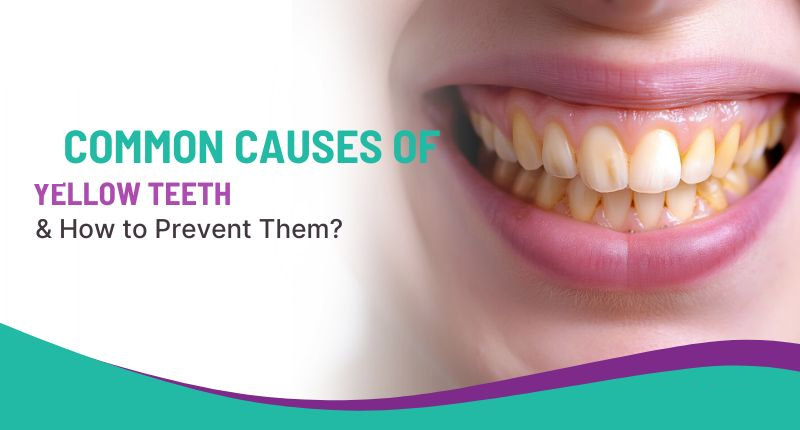
What Causes Yellow Teeth and How Can You Prevent Them?

A bright smile can make you feel more confident, but many people notice that their teeth gradually become yellow or darker over time. Yellow teeth are common and do not always mean that your teeth are unhealthy.The natural colour of teeth varies from person to person. However, changes in tooth colour can sometimes be related to food and drinks, tobacco use, plaque buildup, ageing, enamel changes, or certain medications and dental conditions.The good news is that many causes of tooth staining can be reduced with good oral hygiene and professional dental care.In this article, we explain what causes yellow teeth, how you can prevent staining, and when professional teeth whitening may be appropriate.Why Do Teeth Become Yellow?There are several possible reasons why teeth may look yellow.Some stains are located mainly on the outer surface of the teeth, while other colour changes can occur within the tooth itself.Understanding the cause is important because different types of discoloration may require different approaches.1. Natural Tooth ColourTeeth are not naturally pure white.The outer layer of a tooth, called enamel, is partly translucent. Underneath it is a naturally yellowish tissue called dentin.If the enamel becomes thinner or more translucent, the underlying dentin may become more visible, making the teeth appear more yellow.Therefore, slightly yellow teeth can be completely normal.2. AgeingAs we get older, changes naturally occur in our teeth.Over the years:Enamel can gradually wear downDentin may become more visibleSurface stains can accumulatePrevious dental treatments may affect appearanceAs a result, teeth may appear darker or more yellow with age.Good oral hygiene and regular dental visits can help maintain the appearance and health of your teeth.3. Tea and CoffeeTea and coffee are common sources of external tooth staining.These beverages contain compounds that can attach to the tooth surface and contribute to discoloration, particularly when consumed frequently.You do not necessarily have to stop drinking tea or coffee completely. However, reducing frequent consumption and maintaining good oral hygiene can help minimize staining.Drinking water after beverages can also help rinse the mouth.4. Tobacco and SmokingSmoking and tobacco use can cause noticeable tooth discoloration.Tobacco can contribute to yellow, brown, or darker stains on teeth and can also negatively affect gum health.If you use tobacco, quitting can benefit both your oral health and your overall health.Regular dental cleaning can help remove some external tobacco stains, although deeper discoloration may require additional treatment.5. Poor Oral HygieneInadequate brushing and cleaning between the teeth can allow plaque to accumulate.Plaque can make teeth appear dull or yellow. If it remains on the teeth, it can harden into tartar.Tartar cannot be completely removed through ordinary brushing at home and generally requires professional dental cleaning.Maintaining good oral hygiene is therefore one of the simplest ways to keep your teeth looking cleaner.6. Certain Foods and DrinksSome foods and beverages can contribute to surface staining.Examples include:TeaCoffeeCola and other dark beveragesCertain saucesColoured foodsRed wineThe effect varies from person to person and depends partly on how frequently these foods and drinks are consumed.Good oral hygiene and rinsing with water after meals can help reduce the accumulation of staining substances.7. Enamel ErosionThe enamel protects the inner structures of your teeth.Frequent exposure to acidic foods and drinks can contribute to enamel erosion. As enamel becomes thinner, the naturally yellowish dentin underneath can become more visible.Acidic drinks and foods can include:Soft drinksCertain fruit juicesCitrus fruitsSports drinksOther acidic beveragesYou don't necessarily need to eliminate every acidic food from your diet, but limiting frequent exposure can help protect your enamel.8. FluorosisDental fluorosis can occur when teeth are exposed to excessive fluoride during tooth development.Depending on its severity, fluorosis may cause white marks, streaks, or changes in tooth colour.Mild fluorosis may not require treatment. More noticeable cosmetic changes can sometimes be managed with appropriate dental procedures.A dentist can assess the appearance and determine the most suitable option.9. Certain Medications and Medical FactorsSome medications can cause tooth discoloration, particularly when exposure occurs during tooth development.Certain medical conditions and dental injuries can also change the colour of individual teeth.If one tooth suddenly becomes darker than the surrounding teeth, it is important to have it examined rather than assuming it is simply a cosmetic stain.10. Dental TraumaAn injury to a tooth can sometimes cause the tooth to change colour.A previously injured tooth may gradually become darker or greyish.This type of discoloration can have a different cause from ordinary surface staining and may require a dental examination.How Can You Prevent Yellow Teeth?Although some tooth colour changes are natural, several habits can help reduce staining.Brush Twice a DayBrush your teeth twice daily using fluoride toothpaste.Use a soft-bristled toothbrush and avoid brushing aggressively, as excessive force can contribute to enamel and gum problems.Clean Between Your TeethBrushing alone does not effectively clean every surface between the teeth.Use dental floss or another interdental cleaning method recommended by your dentist.Reduce Frequent Staining DrinksIf you frequently consume tea, coffee, cola, or other staining beverages, reducing how often you consume them may help minimize external staining.Drink WaterDrinking water after meals or beverages can help rinse away food particles and residues.Water is also a good choice when you want to avoid frequent exposure to sugary or acidic drinks.Avoid TobaccoAvoiding smoking and tobacco products can help prevent tooth staining and support healthier gums.Don't Use Abrasive DIY Whitening MethodsMany home remedies promoted online involve abrasive substances or acidic ingredients.These approaches may not be safe for your enamel and gums.Instead of experimenting with potentially damaging methods, ask your dentist about safe whitening options.Professional Teeth WhiteningIf your teeth are healthy but have unwanted surface or intrinsic discoloration, your dentist may discuss professional teeth whitening.Professional whitening uses dental products and protocols designed for tooth bleaching.However, whitening is not suitable for every situation.For example, whitening may not change the colour of:Dental crownsVeneersBridgesSome fillingsCertain types of internal tooth discolorationA dental examination before whitening can help determine whether whitening is appropriate and what result can realistically be expected.Is Yellow Teeth a Sign of Poor Oral Health?Not necessarily.Naturally yellowish teeth can be healthy. Tooth colour alone does not determine whether your teeth are healthy.However, yellow or brown deposits accompanied by:Bleeding gumsBad breathTartar buildupTooth painSensitivityCavitiesGum swellingmay indicate a dental problem that needs attention.A dental examination is the best way to identify the cause.When Should You Visit a Dentist?Consider visiting a dentist if:Your teeth are becoming increasingly discolouredOne tooth suddenly changes colourYou have persistent tooth sensitivityYour gums bleed frequentlyYou have visible tartarYou have persistent bad breathYou are considering professional teeth whiteningYou have stains that do not improve with regular brushingYour dentist can determine whether the discoloration is caused by surface staining, enamel changes, dental disease, trauma, or another factor.Frequently Asked QuestionsCan yellow teeth become white again?It depends on the cause. Surface stains may improve with professional cleaning, while certain types of discoloration may require professional whitening or cosmetic dental treatment.Does brushing harder make teeth whiter?No. Brushing aggressively does not necessarily make teeth whiter and can potentially damage gums or contribute to enamel wear.Gentle brushing with a soft-bristled toothbrush is recommended.Does coffee make teeth yellow?Frequent consumption of coffee can contribute to external tooth staining. Rinsing with water and maintaining good oral hygiene can help reduce the buildup of stains.Is professional teeth whitening safe?Professional whitening can be safe when appropriately planned and performed using suitable dental products. Your dentist should first assess your teeth and gums.Can dental cleaning remove yellow stains?Professional cleaning can remove plaque, tartar, and some external stains. It cannot necessarily remove all forms of tooth discoloration.Are home whitening remedies safe?Not all DIY whitening methods are safe. Abrasive or acidic substances can potentially harm teeth and gums. It is better to discuss whitening options with a dental professional.A Brighter Smile Starts With Healthy TeethYellow teeth are common, and the cause can range from natural tooth colour and ageing to food stains, tobacco use, plaque, enamel changes, or other dental factors.The best approach is not simply to make teeth look whiter but to understand why they have changed colour and ensure that your teeth and gums are healthy.Regular brushing, cleaning between your teeth, professional dental care, limiting frequent staining substances, and avoiding tobacco can all help maintain a cleaner and healthier smile.If you are unhappy with the colour of your teeth, speak with a dentist before choosing a whitening treatment. A professional assessment can help determine the safest and most appropriate option for your smile.Looking for Teeth Whitening or Dental Care in Chennai?If you are concerned about yellow teeth, stains, tooth sensitivity, or the appearance of your smile, Pink Dentistry, Chennai can help you understand your treatment options.Book Your Dental ConsultationHealthy teeth. Confident smile. Professional dental care.Contact Pink Dentistry to schedule your dental consultation today.

Read More
Dental Cleaning: How Often Should You Really Get It Done?
Read Article
Dental Care

Dental Cleaning: How Often Should You Really Get It Done?

A clean, healthy smile is more than just having white teeth. Regular dental cleaning helps remove plaque and hardened tartar that daily brushing and flossing may not completely eliminate.But one common question many patients ask is:“How often should I get my teeth professionally cleaned?”For many people, a professional dental cleaning is recommended about every six months. However, the ideal frequency is not the same for everyone. Your dentist may recommend a different schedule depending on your oral health, gum condition, dental history, and risk factors.In this article, let's understand why dental cleaning is important, how often you may need it, and what happens during a professional cleaning.What Is Dental Cleaning?Professional dental cleaning, also called dental prophylaxis, is a procedure performed by a dentist or dental hygienist to remove plaque, tartar and stains from the teeth.Even with excellent brushing and flossing, plaque can accumulate in areas that are difficult to clean at home.Over time, plaque can harden into tartar. Once tartar forms, it generally cannot be completely removed with ordinary brushing.Professional cleaning helps remove these deposits and allows your dentist to check the health of your teeth and gums.How Often Should You Get Your Teeth Cleaned?For many healthy adults, visiting the dentist approximately twice a year is a common schedule.However, there is no universal rule that applies to every patient.Your dentist may recommend more frequent appointments if you have:Gum diseaseHeavy tartar buildupFrequent cavitiesPoor oral hygieneGum recessionDental implantsOrthodontic appliancesA history of periodontal problemsCertain medical or lifestyle factors that increase oral-health risksSome patients may benefit from professional maintenance visits every three to four months, while others may need less frequent professional cleaning based on their individual circumstances.The best schedule is the one recommended by your dental professional after examining your mouth.Why Is Regular Dental Cleaning Important?1. Helps Remove TartarPlaque can harden into tartar when it is not adequately removed.Tartar can accumulate around the gumline and contribute to gum inflammation. Professional dental instruments are used to remove these deposits safely.2. Helps Prevent Gum DiseasePlaque and tartar buildup can irritate the gums.Early gum disease, known as gingivitis, may cause:Red gumsSwollen gumsBleeding while brushingTendernessBad breathRegular professional cleaning, together with good home care, can help maintain healthier gums.3. Helps Prevent Tooth DecayPlaque contains bacteria that produce acids capable of damaging tooth enamel.Removing plaque and tartar and maintaining good daily oral hygiene can help reduce the risk of tooth decay.4. Helps Control Bad BreathPersistent bad breath can sometimes be associated with plaque, tartar, gum disease, or other oral-health problems.Professional cleaning can remove accumulated deposits and may help improve oral freshness when these are contributing factors.5. Helps Remove Some Surface StainsProfessional cleaning can remove certain external stains caused by foods and beverages.For example, staining may occur from:TeaCoffeeTobaccoCertain foodsCleaning does not necessarily make teeth dramatically whiter because it is different from professional teeth-whitening treatment. However, removing surface deposits can make teeth appear cleaner and brighter.What Happens During a Dental Cleaning?A routine professional cleaning usually involves several steps.Step 1: Oral ExaminationYour dentist or dental professional examines your teeth and gums for signs of dental problems.Step 2: Plaque and Tartar RemovalSpecial dental instruments are used to remove plaque and tartar deposits from the teeth and around the gumline.Step 3: Teeth PolishingThe teeth may be polished to help remove certain surface stains and leave the tooth surfaces feeling smoother.Step 4: Professional FlossingThe dental professional may clean between the teeth to remove remaining deposits.Step 5: Oral Hygiene AdviceYour dentist may recommend improvements to your brushing, flossing or interdental-cleaning routine.If your examination identifies a more significant problem, additional treatment may be recommended.Does Dental Cleaning Hurt?For most people, routine dental cleaning is comfortable.However, some patients may experience temporary sensitivity or discomfort, especially if they have:Inflamed gumsHeavy tartar buildupGum recessionSensitive teethExisting periodontal problemsIf you are nervous about dental treatment or have sensitive teeth, tell your dentist before the procedure. Your dental team can adjust the approach to make the experience more comfortable.What Is the Difference Between Regular Cleaning and Deep Cleaning?This is an important distinction.Regular Dental CleaningRoutine cleaning is generally performed to remove plaque, tartar and surface stains from the teeth and gumline in patients who do not require periodontal treatment.Deep CleaningA deep cleaning, often called scaling and root planing, is a periodontal treatment used when gum disease has affected areas deeper around the teeth.It involves cleaning below the gumline and smoothing the root surfaces as clinically appropriate.Deep cleaning is not simply a stronger version of routine cleaning. Your dentist determines whether periodontal treatment is needed based on an examination and appropriate assessment.Signs You May Need a Dental CleaningYou should consider scheduling a dental appointment if you notice:Bleeding gumsTartar buildupBad breathSwollen gumsRed gumsTooth sensitivityStained teethGum recessionPlaque buildupIt has been a long time since your last dental examinationEven if your teeth feel fine, regular dental visits can help identify problems before they become more complicated.Can Brushing and Flossing Replace Professional Cleaning?Daily oral hygiene is essential, but it does not completely replace professional dental care.Brushing twice daily and cleaning between your teeth help control plaque at home. However, hardened tartar generally requires professional removal.Regular dental examinations also allow your dentist to check for problems that may not cause symptoms in the early stages.Therefore, home care and professional dental care work together.How to Maintain Clean Teeth Between Dental VisitsYou can help maintain your oral health between appointments by following a consistent routine.Brush Twice DailyUse a soft-bristled toothbrush and fluoride toothpaste. Brush gently for around two minutes.Clean Between Your TeethUse dental floss or an interdental cleaning method recommended by your dentist.Limit Frequent Sugary SnacksFrequent exposure to sugary foods and drinks can increase the risk of tooth decay.Drink WaterWater can help keep the mouth hydrated and can help rinse away food particles.Avoid TobaccoSmoking and tobacco use can negatively affect oral and gum health.Visit Your Dentist RegularlyDo not wait until you develop severe tooth pain before seeking dental care.Dental Cleaning for ChildrenChildren also need regular dental care.Professional dental visits can help dentists monitor:Tooth developmentOral hygieneEarly cavitiesGum healthBite developmentHabits that may affect oral healthThe frequency of visits should be based on the child's individual dental needs and the dentist's recommendation.Dental Cleaning During PregnancyPregnancy can bring hormonal changes that affect the gums. Some pregnant women may experience increased gum sensitivity, swelling or bleeding.Maintaining good oral hygiene and continuing appropriate dental care during pregnancy is important.If you are pregnant, tell your dentist so your dental team can plan care appropriately for you.What Happens If You Avoid Dental Cleaning?Skipping professional dental care for long periods can allow plaque and tartar to accumulate.Over time, this may contribute to problems such as:GingivitisPeriodontal diseaseTooth decayPersistent bad breathGum recessionTooth-supporting tissue damageImportantly, dental problems do not always cause pain in their early stages.Regular examinations can help identify potential problems before symptoms become severe.Frequently Asked QuestionsIs dental cleaning necessary every six months?Many people are advised to have regular dental visits approximately every six months, but the appropriate frequency varies. Your dentist may recommend a different interval depending on your oral-health needs.Does dental cleaning whiten teeth?Professional cleaning can remove some external stains and deposits, making teeth look cleaner. It is different from professional teeth-whitening treatment.Can dental cleaning damage enamel?When performed appropriately by a trained dental professional, routine professional cleaning is intended to remove deposits without damaging healthy tooth structure.Why do my gums bleed during cleaning?Bleeding can occur when the gums are inflamed, particularly in patients with plaque buildup or gum disease. Your dentist can determine the underlying cause.How long does a dental cleaning take?The duration depends on the amount of plaque and tartar, your oral-health condition, and the type of cleaning required.Can I eat after dental cleaning?In many cases, you can eat normally after a routine cleaning. However, if your dentist has provided specific instructions—for example, after fluoride treatment or another procedure—follow those instructions.Your Smile Needs Regular CareDental cleaning is not simply about making your teeth look cleaner. It is an important part of maintaining good oral hygiene and monitoring your teeth and gums.Don't wait for tooth pain to visit your dentist.Regular dental examinations, professional cleaning, and good daily oral hygiene can work together to help protect your smile for years to come.Looking for Professional Dental Cleaning in Chennai?If you have plaque buildup, tartar, bleeding gums, bad breath, stains, or simply want to maintain your oral health, schedule a dental consultation with Pink Dentistry, Chennai.Our dental team can assess your oral health and recommend a cleaning and preventive-care schedule based on your individual needs.Book Your Dental Appointment TodayA healthier smile starts with regular dental care.

Read More
Why Are Your Gums Bleeding? 7 Possible Reasons You Should Know
Read Article
Dental Care

Why Are Your Gums Bleeding? 7 Possible Reasons You Should Know

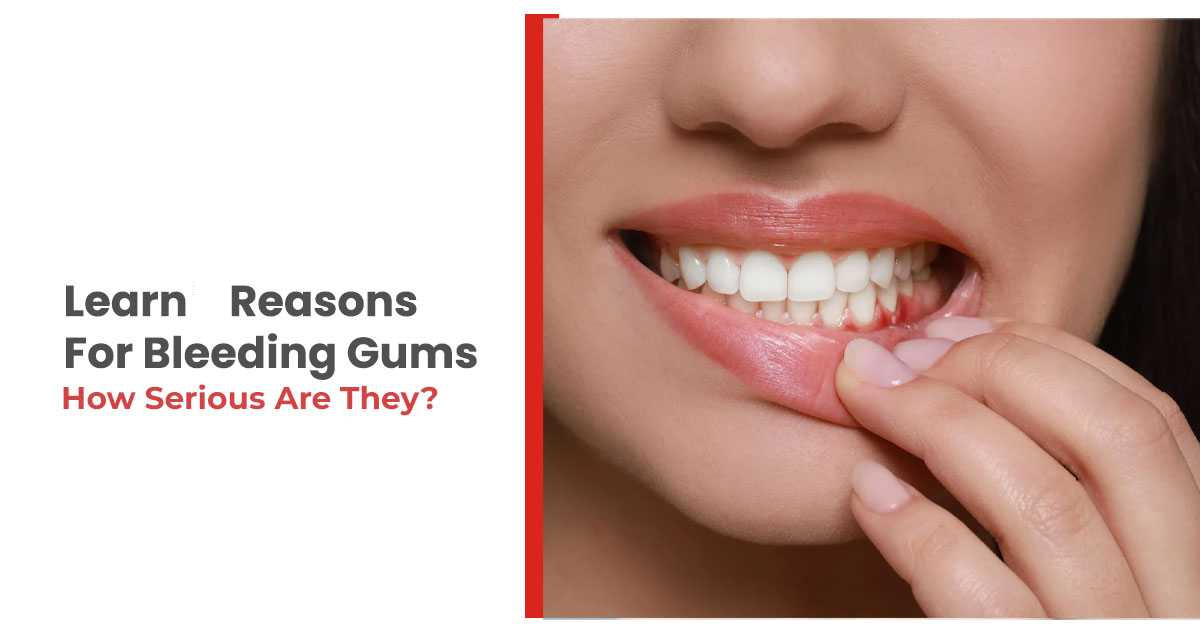
Have you noticed blood while brushing or flossing your teeth? Bleeding gums are not something you should simply ignore. While occasional bleeding may happen because of brushing too hard or using improper flossing techniques, frequent gum bleeding can be a sign of an underlying oral-health problem.Healthy gums generally should not bleed during normal brushing or flossing. If you regularly notice blood around your gums, it is a good idea to schedule a dental examination.Here are 7 common reasons why your gums may be bleeding and what you can do about them.1. Gum DiseaseOne of the most common causes of bleeding gums is gum disease.Gum disease can begin when plaque—a sticky layer of bacteria—builds up around the teeth and along the gumline. If plaque is not removed properly, it can irritate the gums and cause inflammation.Early gum disease is commonly known as gingivitis.Possible signs include:Bleeding while brushing or flossingRed or swollen gumsTender gumsBad breathIncreased plaque around the gumlineIf gingivitis is left untreated, it can progress to more advanced gum disease, which can affect the tissues and bone supporting the teeth.Early dental care can help prevent the condition from becoming more serious.2. Brushing Too HardBrushing your teeth harder does not necessarily mean cleaning them better.Using excessive force or a hard-bristled toothbrush can irritate the gum tissue and contribute to bleeding.Instead:Use a soft-bristled toothbrushBrush gently using small circular movementsAvoid aggressive back-and-forth scrubbingBrush twice a day with fluoride toothpasteReplace your toothbrush when the bristles become wornIf your gums continue to bleed despite using a gentle brushing technique, consult a dentist.3. Improper FlossingFlossing is an important part of maintaining healthy gums because a toothbrush cannot effectively clean every surface between the teeth.However, inserting floss aggressively or snapping it into the gums can cause irritation and bleeding.If you have recently started flossing, mild bleeding may sometimes occur when your gums are inflamed. With consistent and gentle cleaning, the gums may become healthier.Use floss carefully by guiding it between the teeth and gently curving it around each tooth.If bleeding continues regularly, professional dental evaluation is recommended.4. Plaque and Tartar Build-UpEven with regular brushing, plaque can accumulate in areas that are difficult to clean.If plaque remains on the teeth for an extended period, it can harden into tartar (calculus). Tartar cannot be completely removed with ordinary brushing at home.Tartar around the gumline can contribute to gum inflammation and bleeding.A professional dental cleaning can help remove deposits that cannot be effectively removed with a toothbrush.Regular dental examinations can also help identify areas where plaque is accumulating.5. Changes During PregnancyPregnancy can cause hormonal changes that affect the gums.Some pregnant women develop increased gum sensitivity, swelling, redness, or bleeding. This is sometimes referred to as pregnancy gingivitis.Maintaining good oral hygiene during pregnancy is important.Pregnant patients should:Brush twice dailyClean between the teeth regularlyMaintain regular dental careInform their dentist about their pregnancySeek professional advice if they notice persistent gum problemsDo not assume that bleeding gums during pregnancy should simply be ignored.6. Smoking and Tobacco UseSmoking and tobacco use can have a significant impact on oral health.Tobacco can affect the gums and increase the risk of gum disease. It can also make it more difficult for the mouth to heal properly.People who use tobacco may experience:Gum inflammationGum recessionPersistent bad breathTooth stainingIncreased risk of periodontal problemsIf you use tobacco and regularly experience bleeding gums, a dental examination is especially important.Quitting tobacco provides important benefits for overall and oral health.7. Certain Medical Conditions or MedicationsSometimes bleeding gums can be associated with factors beyond routine oral hygiene.Certain medications can affect bleeding or gum health. In addition, some systemic health conditions may contribute to unusual or persistent bleeding.For this reason, you should tell your dentist about:Regular medicationsMedical conditionsRecent changes in medicationUnusual or prolonged bleedingOther symptoms you may be experiencingDo not stop or change prescribed medication without speaking with your doctor.Your dentist can assess your gums and determine whether further medical evaluation may be appropriate.When Should You See a Dentist?Occasional gum bleeding does not always indicate a serious problem. However, repeated or unexplained bleeding should be evaluated by a dental professional.You should consider scheduling a dental appointment if you have:Gums that bleed frequentlySwollen or painful gumsPersistent bad breathReceding gumsLoose teethPus around the gumsPain while chewingPersistent tooth sensitivityChanges in the way your teeth fit togetherEarly evaluation can help identify the cause and allow appropriate treatment.How Can You Prevent Bleeding Gums?Good daily oral hygiene can help keep your gums healthy.Brush Twice a DayBrush gently for approximately two minutes using a soft-bristled toothbrush and fluoride toothpaste.Clean Between Your TeethUse dental floss or another dentist-recommended interdental cleaning method to remove plaque between your teeth.Maintain Regular Dental VisitsProfessional examinations and cleaning can help detect gum problems at an early stage.Reduce Sugary Foods and DrinksFrequent consumption of sugary foods and drinks can increase the risk of dental problems.Avoid TobaccoAvoiding smoking and other tobacco products can benefit your gums and overall health.Don't Ignore Warning SignsIf bleeding continues despite good oral hygiene, arrange a dental examination instead of repeatedly treating the symptom at home.Can Bleeding Gums Be Treated?Yes. Treatment depends on the underlying cause.For example, a dentist may recommend:Professional dental cleaningImproved brushing and flossing techniquesPeriodontal treatmentTreatment for cavities or other dental problemsManagement of contributing factorsFurther medical evaluation when appropriateThe earlier the cause is identified, the easier it may be to manage the problem.Frequently Asked QuestionsIs it normal for gums to bleed when brushing?Regular gum bleeding should not be considered normal. It can be caused by gum inflammation, plaque accumulation, aggressive brushing, or other factors. If it happens frequently, consult a dentist.Can bleeding gums heal on their own?If the bleeding is caused by minor irritation, it may improve after correcting the cause. However, persistent bleeding can indicate gum disease or another problem and should be professionally evaluated.Does gum bleeding mean I have gum disease?Not necessarily, but gum disease is one of the most common causes of bleeding gums. A dental examination is needed to determine the actual cause.How can I stop my gums from bleeding?Maintain gentle brushing, clean between your teeth regularly, avoid tobacco, and maintain professional dental care. If bleeding persists, visit a dentist for an examination.Should I stop brushing if my gums bleed?Generally, you should not stop cleaning your teeth because of gum bleeding. Instead, brush gently with a soft-bristled toothbrush. If bleeding continues, seek professional dental advice.Take Bleeding Gums SeriouslyBleeding gums can be an early warning sign that your mouth needs attention. In many cases, improving oral hygiene and receiving appropriate professional dental care can help manage the underlying problem.Don't wait until bleeding gums become painful or your teeth become loose. Early dental evaluation can help protect your gums, teeth, and smile.Looking for Gum Treatment in Chennai?If you are experiencing frequent bleeding, swollen gums, bad breath, gum sensitivity, or other oral-health concerns, consult a qualified dental professional.Pink Dentistry, Chennai provides comprehensive dental care with a focus on maintaining healthy teeth and gums.Book Your Dental ConsultationTake the first step toward healthier gums and a confident smile.Contact Pink Dentistry today to schedule your dental appointment.

Read More